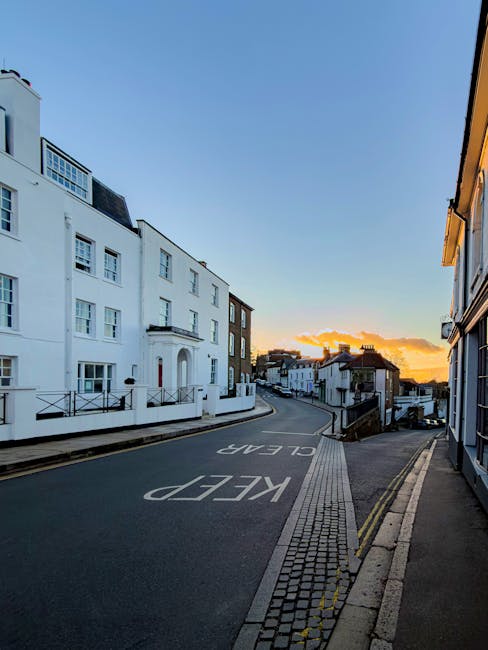
Wealdstone moving insider tips for narrow streets
Moving in Wealdstone can be straightforward on paper, then suddenly a bit fiddly the moment you meet a parked car, a tight turn, or a doorway that seems to have been designed by someone who never owned a wardrobe. That is exactly why Wealdstone moving insider tips for narrow streets matter. The streets around busy residential pockets, terraced homes, and smaller apartment blocks often leave very little room for error, so a good plan is not just helpful - it saves time, money, and a fair amount of stress.
In this guide, you'll find practical advice for getting a move done safely and efficiently in a tight-access part of Wealdstone. We'll cover vehicle choice, packing strategy, access checks, timing, parking, safety, and the small details that make a big difference on moving day. If you want a broader look at local services, you can also explore our removal services overview or learn more about our Harrow HA1 removal service.
Truth be told, narrow streets do not need to be a disaster. They just need respect. A little planning goes a very long way.
Table of Contents
- Why Wealdstone moving insider tips for narrow streets Matters
- How Wealdstone moving insider tips for narrow streets Works
- Key Benefits and Practical Advantages
- Who This Is For and When It Makes Sense
- Step-by-Step Guidance
- Expert Tips for Better Results
- Common Mistakes to Avoid
- Tools, Resources and Recommendations
- Law, Compliance, Standards, or Best Practice
- Options, Methods, or Comparison Table
- Case Study or Real-World Example
- Practical Checklist
- Conclusion
- Frequently Asked Questions
Why Wealdstone moving insider tips for narrow streets Matters
Narrow streets change the whole shape of a house move. What looks like a simple job on a normal road can turn into a slow, stop-start operation if the vehicle cannot park close enough to the property, if neighbours are already parked tightly on both sides, or if the turning space is too small for a larger van. In Wealdstone, that can mean more carrying distance, more time on site, and more chances for awkward bumps or delays.
The biggest issue is usually not one dramatic problem. It is a chain of small ones. A van blocks part of the road, a sofa will not fit round the stair corner, someone forgot to reserve enough time for loading, and suddenly the move feels harder than it should. That is why insider tips are useful: they help you reduce friction before the first box leaves the hallway.
For local moves, especially around flats, terraces, and mixed residential streets, planning around access is just as important as packing well. If you're moving from a smaller property, the advice on flat removals in Harrow can be especially relevant, because tight access and stairs often go hand in hand. And if your move needs to happen quickly, the option of same-day removals in Harrow may help, though it still pays to check road conditions first.
Key takeaway: narrow streets do not just affect where the van parks; they affect packing, timing, carrying distance, safety, and how calmly the whole day runs.
How Wealdstone moving insider tips for narrow streets Works
Moving in a tight street works best when you treat the job as a sequence of linked decisions. First comes access planning. Then comes vehicle choice. After that, you prepare the property, pack in a way that suits limited space, and load the van in an order that avoids unnecessary rehandling. Simple enough. But each step matters.
In practical terms, you want to understand four things before moving day:
- How far the van can reasonably get to the front door
- Whether the street allows temporary stopping or waiting
- What kind of vehicle can safely manoeuvre there
- How the furniture will exit the property without damage
That's the real meaning of moving "insider" knowledge. Not tricks as such. More like a set of sensible habits that save you from expensive mistakes. For some moves, a smaller vehicle is the right answer. For others, a larger van with a good loading plan is better because it reduces trips. There is no one-size-fits-all solution, which is annoying, but also honest.
If you are comparing service types, pages like man with a van in Harrow, man and van options, and removal van hire can help you think through what level of support fits your access situation. For larger home moves, house removals in Harrow are usually the better match, especially when bulky items or multiple rooms are involved.
Key Benefits and Practical Advantages
Doing narrow-street moves properly brings some very real benefits. The obvious one is less stress. The less obvious one is that you often protect your belongings better because everything is handled more deliberately.
- Faster loading and unloading: Less faffing about with awkward parking means more time spent actually moving items.
- Lower damage risk: Tight streets often mean tighter corners and sharper angles. Planning helps avoid scratches, scuffs, and knocks.
- Better neighbour relations: Nobody enjoys a blocked street at 8 a.m. on a weekday. Clear communication goes a long way.
- Smarter vehicle choice: Matching van size to road layout can prevent repeated shuttling or avoidable delays.
- Less lifting strain: Shorter carry distances and better access reduce the physical load on everyone involved.
There is also a confidence benefit. When you know the move has been thought through, the whole day feels less chaotic. And let's face it, moving is chaotic enough already without making extra work for yourself. If you need temporary breathing room during a complicated move, storage in Harrow can also be a practical buffer between properties.
Who This Is For and When It Makes Sense
This approach makes sense for almost anyone moving in Wealdstone where streets are narrow, parking is limited, or properties are tightly packed together. That includes homeowners, renters, students, and small businesses shifting office equipment. It is especially useful if you live on a terraced road, in a converted building, near a busy junction, or somewhere with limited front access.
It also makes sense when you are moving:
- from or into a flat with stairs and a shared entrance
- with bulky furniture such as wardrobes, beds, or sofas
- on a road where double parking happens regularly
- during school-run hours or commuter peaks
- with a time limit on your moving access
Students, in particular, often underestimate how much effort even a short move can take. A couple of suitcases sounds easy until there is a narrow stairwell and nowhere to stop outside. If that sounds familiar, student removals in Harrow are worth looking at. Offices have a different kind of pressure, usually around timing and access, so office removals in Harrow may be more relevant if you're relocating a workspace.
Step-by-Step Guidance
Here's a practical way to handle a move on a narrow Wealdstone street without overcomplicating it.
1. Check the access at both ends
Walk the route from the road to the front door. Look at width, height, corners, steps, gates, and anything that will slow the carry. If there is a gate that opens inward, make a note. If the hallway is barely wide enough for a mattress, that matters too. Sounds obvious, but people miss this all the time.
2. Decide what vehicle actually fits
Smaller vehicles can be easier to manoeuvre, but they may require more journeys. Larger vehicles can carry more, but only if they can stop safely and not block everyone in. The right answer depends on your street, your load, and how much distance there is between van and door. If you are not sure, talk it through early rather than guessing on the morning.
3. Declutter before packing
Narrow-street moves punish indecision. Every extra item takes time to carry, load, and unload. So be ruthless, in a kind way. If it is not moving with you, remove it before moving day. Recycle what you can and consider responsible disposal. If sustainability matters to you, our recycling and sustainability approach is a useful reference point.
4. Pack by carry order, not by room alone
Room-based packing is useful, but in tight access you also want to think about carry order. Put heavy, sturdy items near the load point. Keep essentials separate. Label boxes clearly, especially if there is a chance some items will need to be staged in a hallway or dropped inside the property before full unpacking.
5. Protect floors, corners, and door frames
Older properties and rented homes can be unforgiving here. Use covers, blankets, or simple protective materials where appropriate. A small chip in a painted bannister can become a very unhelpful conversation later. Nobody needs that energy.
6. Plan the arrival window carefully
Choose a time that reduces congestion where possible. Early mornings can be calmer, though they can also be a bit brisk and groggy. Midday may be busier. A good arrival window is the one that gives you space to work without competing with too much street traffic.
7. Keep a clearing path inside the property
The hallway, front room, and staircase should be as clear as possible before the team arrives. Shoes, bins, loose rugs, kids' toys, plant pots - all of it can get in the way. One tidy corridor can save ten minutes of awkward manoeuvring.
If you want to see how a local, full-service move is handled end to end, take a look at removals in Harrow and the wider removal services page.
Expert Tips for Better Results
These are the small things that often separate a smooth move from a day of tiny frustrations.
- Measure the awkward items first: Sofas, wardrobes, mirrors, and washing machines are the usual troublemakers. Measure them against doors and stair turns before moving day.
- Use soft, strong labels: Clear box labels save time, but also indicate heavy, fragile, or last-out items.
- Reserve one "easy access" box: Put kettle, phone chargers, snacks, tape, and key documents in one box you can reach quickly.
- Keep one person as the access point lead: Too many people giving directions in a narrow hallway can become comic, then annoying, then both.
- Take pictures of tight spots: A photo of the entrance, parking line, stairwell, or any low arch can help planning ahead.
One useful habit is to imagine the largest item leaving the property at 90 degrees rather than straight out. If it still looks awkward in your head, it probably will be awkward in real life. Better to know that before everyone is waiting outside with a mattress.
For larger or more delicate items, such as uprights or digital pianos, specialised help is worth considering. Furniture removals in Harrow and piano removals in Harrow are the kind of services that become especially useful when the route is tight and the item is not forgiving.
Common Mistakes to Avoid
Most problems in narrow-street moves are predictable. That is the good news. You can often avoid them with a bit of common sense and a calmer plan.
- Assuming parking will sort itself out. It rarely does on a tight road.
- Booking a van that is too large. Bigger is not always better if the street cannot accommodate it.
- Leaving packing until the final evening. This is one of those ideas that sounds manageable until it isn't.
- Forgetting to clear internal access. Hallway clutter slows everything down.
- Underestimating stairs and corners. Even a small flat move can feel heavy if the layout is awkward.
- Not checking weather conditions. Rain, wind, or icy pavements can change handling and timing quite a bit.
Another common one: people pack everything beautifully, then forget the destination access. If the new place has a tighter entrance than the old one, you need to know that before the van arrives. It sounds basic, but moving day has a habit of making basic things slippery.
Tools, Resources and Recommendations
You do not need a truckload of equipment to manage a narrow-street move, but the right few tools make a real difference.
| Tool or Resource | Why It Helps | Best Use |
|---|---|---|
| Measuring tape | Checks door widths, stair turns, and furniture clearances | Before booking or moving day |
| Furniture blankets | Protects wood, painted surfaces, and sharp corners | Loading and internal carrying |
| Box labels and markers | Speeds unloading and reduces confusion | Packing stage |
| Floor protection | Helps reduce scuffs in halls and entrances | Properties with polished or delicate floors |
| Storage option | Creates flexibility when access or timing is tight | Staggered moves or renovations |
It can also help to choose the right level of moving support. For example, if you only need a straightforward transport option, man and van in Harrow may suit a smaller load. If you need broader support, especially for a full home move, house removals are the safer all-round choice. And if your move needs extra reassurance around handling and planning, insurance and safety information is worth reading early.
For practical booking details, the pricing and quotes page can help you understand how to request a quote clearly. That often saves back-and-forth later, which is always a relief.
Law, Compliance, Standards, or Best Practice
For local moves, you do not usually need to wade through complicated legal issues, but best practice still matters. Parking, loading, neighbour access, and safe handling all need sensible care. In London, streets can be busy and restrictions can change from one road to the next, so it is wise to check arrangements in advance rather than assume stopping will be fine.
Where a move involves shared entrances, flats, or managed buildings, building rules may also apply. These can include booking lifts, protecting communal areas, or limiting move times. That is not unusual, just part of working in real-world properties. If you are moving from a larger rental or a property with multiple residents, it can help to ask about access rules before moving day. Much better than discovering them with a trolley in hand.
Good practice also means using trained handling methods for heavy items, keeping walkways clear, and avoiding unsafe lifting. If your move includes items that are fragile or unusually heavy, specialist support is sensible rather than optional. A piano, for instance, is not the moment to improvise.
For readers who want reassurance about how a local company presents itself and handles customer care, you can review our about us page, payment and security details, and the terms and conditions before booking. Clear expectations help everyone.
Options, Methods, or Comparison Table
Different move types suit different access conditions. Here's a simple comparison to help you think it through.
| Method | Best For | Strengths | Trade-Offs |
|---|---|---|---|
| Man and van | Small moves, a few rooms, single bulky items | Flexible, often easier on narrow streets | May require more than one trip |
| Full removal service | Households with multiple rooms or heavy furniture | More structured, less lifting for you | Needs more planning and usually more time |
| Small removal van | Very tight roads or short local moves | Better manoeuvrability | Limited capacity |
| Storage-first move | Staged moving plans or delayed move-in dates | Reduces pressure on move day | Needs an extra handling step |
There is no single winner here. A student moving out of a top-floor flat may be better served by a smaller, nimble option. A family with furniture, white goods, and boxes from several rooms will usually benefit from a more complete service. If you are unsure, a quote conversation often clarifies it quickly, sometimes within minutes. The trick is to describe the access honestly, not optimistically.
Case Study or Real-World Example
Picture a typical Wealdstone move on a narrow residential street. The property is a two-bed flat above ground level, with a tight staircase and limited space outside. There is room for a van to stop, but not much room for error, and neighbouring cars are already parked close to the kerb.
Now compare two approaches.
Approach A: The moving team arrives without a clear access plan. They spend time testing parking, then move a sofa through the hallway only to find the bend on the stairwell is tighter than expected. A mattress blocks the corridor. Boxes are scattered. Everything takes longer.
Approach B: Access is checked in advance. Bulky furniture is measured. Boxes are stacked by load order. The van arrives within the agreed window, and the team starts with the hardest item first while the hallway is kept clear. The same move still has challenges - because narrow streets are narrow streets - but it stays controlled.
The difference is not magic. It is preparation. In our experience, once people get the access side right, the whole day feels lighter. Not easy exactly, but manageable. And that matters.
Practical Checklist
Use this checklist a day or two before the move, and again on the morning itself if needed.
- Confirm the moving date and arrival window
- Measure the largest furniture items
- Check both old and new property access
- Identify any parking or stopping constraints
- Clear hallways, stairs, and entrances
- Pack an essentials box for immediate use
- Label fragile, heavy, and priority boxes clearly
- Protect floors and corners if needed
- Tell neighbours if access may be temporarily limited
- Keep phone numbers and keys easy to reach
- Plan where items will go at the new property
- Have a fallback plan if parking is tighter than expected
Little tip: keep a roll of tape and a marker in your coat pocket on moving day. Sounds minor, but it saves repeat trips back to the box pile. One of those tiny wins.
Conclusion
Wealdstone moves on narrow streets are all about respect for the layout. When you plan access carefully, choose the right vehicle, pack smartly, and keep the route clear, the whole process becomes far more manageable. That is the heart of good moving practice: fewer surprises, less stress, and a cleaner finish.
If you are weighing up your next step, start by being honest about the access at both properties. From there, the rest becomes much easier to shape. And if you want a more guided approach, a local team that understands tight roads, flats, and awkward loading points can make a real difference. That calm, practical help is often what people remember most after the boxes are unpacked.
Get a free quote today and see how much you can save.
For friendly next-step support, you can also contact the team here and talk through your move in plain English. No drama, no jargon. Just a straightforward plan that fits your street.
Frequently Asked Questions
What is the biggest challenge when moving in a narrow Wealdstone street?
The biggest challenge is usually access. That includes parking, loading distance, turning space, and making sure large items can get in and out without damage. Once access is understood, everything else becomes easier to plan.
Should I choose a smaller van for a narrow street?
Often, yes - but not always. A smaller van can be easier to position, yet it may need more trips. A larger van can work if the street and parking are suitable. The best choice depends on the property, the load, and the road layout.
How far in advance should I check parking for a move?
As early as possible. At minimum, check it several days before the move so you can spot restrictions, neighbours' parking habits, or access issues. Last-minute surprises are where things get messy.
What furniture causes the most problems on narrow stairs?
Wardrobes, sofas, mattresses, and large appliances are the usual troublemakers. They can catch on corners, tighten up stair bends, or make turns awkward. Measuring them before moving day helps a lot.
Do I need to tell neighbours before a move?
It is not always required, but it is often considerate and helpful. A quick heads-up can reduce complaints if the van needs to stop close by or if the pavement will be busier than usual for a short time.
Is it better to pack everything into boxes first?
Yes, as a rule. Boxed items stack and load more efficiently, especially in tight-access moves. Keep heavier items in smaller boxes and label them clearly so they do not become impossible to lift.
What should I do if the van cannot park near the property?
Use a clear carrying plan. That may mean bringing items out in stages, using a smaller vehicle, or choosing a time when parking is easier. In some cases, storage or a more flexible moving service is the smarter option.
Are flat moves harder than house moves in narrow streets?
They can be, because stairs, shared hallways, and restricted entrances add extra friction. That is why flat removals are often planned differently from standard house moves.
Can I move on the same day if access is difficult?
Sometimes, yes. But same-day moves leave less time for planning parking and access. If the street is very tight, it is better to confirm the access details first rather than rush into it.
How do I protect my home during a narrow-street move?
Protect floors, corners, and door frames where possible. Keep walkways clear and use careful lifting methods. A little preparation prevents a lot of avoidable scuffing and knocks.
What if I need temporary storage during the move?
That is a common and sensible option, especially when move-out and move-in timings do not line up neatly. Storage in Harrow can give you breathing room and reduce pressure on the day.
How do I get a quote for a narrow-street move?
Give as much detail as you can about access, furniture size, stairs, parking, and timing. The more accurate the information, the more realistic the quote will be. You can start by reviewing pricing and quotes and then speaking with the team directly.
If you'd like a local move handled with care, patience, and a proper understanding of narrow streets, we're here to help. A good move should feel organised, not overwhelming - and that's a very reachable goal.